
Materials with purpose
Consider cotton and other natural-fibre options where they suit the product, use, care requirements and buyer’s specification.
SUSTAINABILITY / OUR APPROACH
For Zircon, meaningful progress begins with the decisions behind a textile: what goes into it, how it is designed and how carefully materials are used.
We approach sustainability as an ongoing responsibility—not a broad product label—across home textiles, apparel and professional fabric collections.
01 / OUR PHILOSOPHY
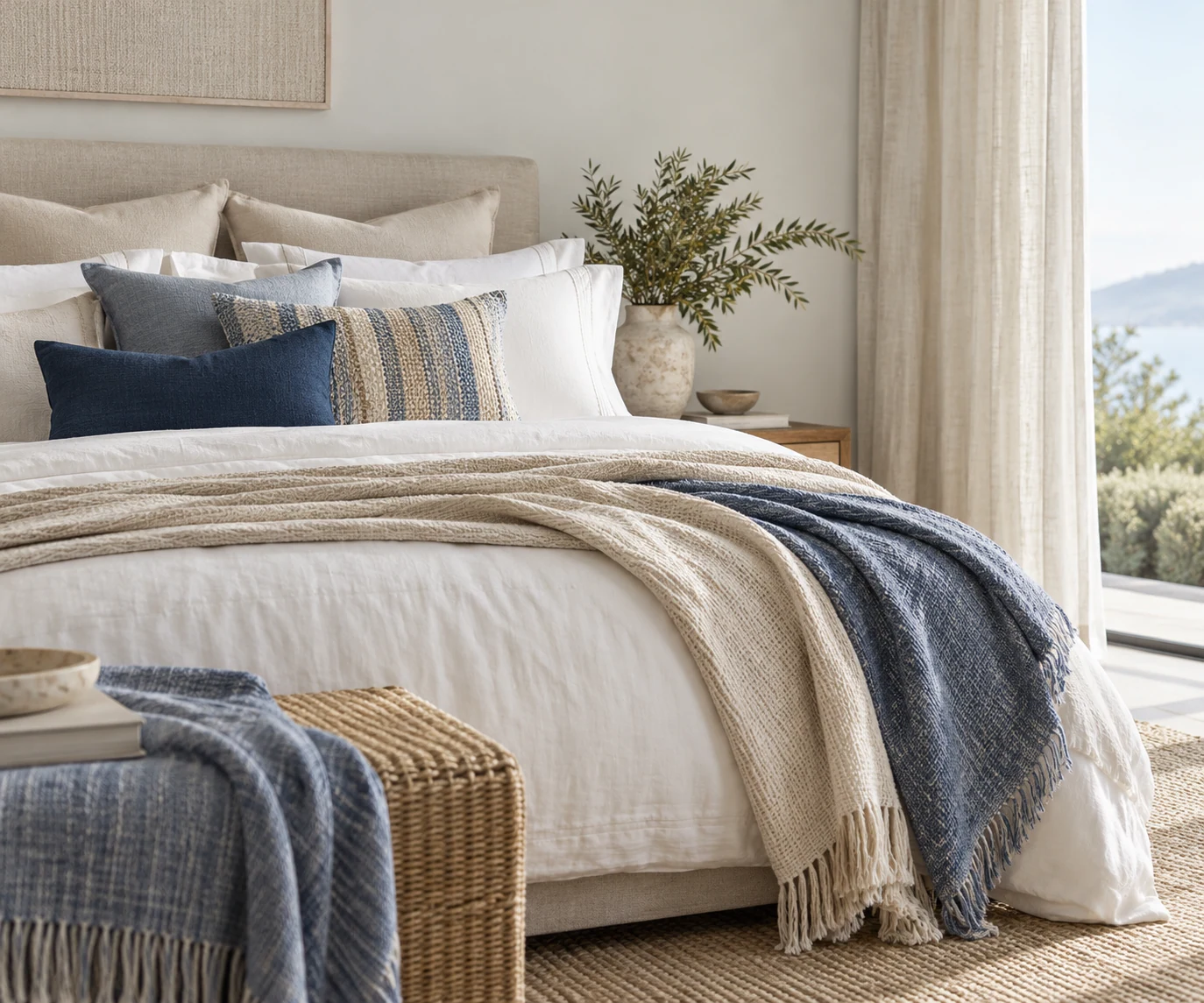
Our work covers design-led home textiles, apparel and institutional fabrics for international buyers. We believe responsible sourcing is most useful when it is built into the specification: fibre composition, construction, intended life, care and relevant documentation.
Natural materials are one consideration, but natural does not automatically mean lower-impact. Product performance, production processes and the complete sourcing context matter too.
Explore Product Families02 / FOUR AREAS OF FOCUS
Instead of broad promises, we focus the discussion on choices that can be specified, reviewed and supported with information.
Consider cotton and other natural-fibre options where they suit the product, use, care requirements and buyer’s specification.
Make fabric composition, construction, sizing and finishing part of an informed discussion—not an afterthought.
Look for opportunities to prevent avoidable waste through planning, sample reviews and clear production specifications.
Keep environmental attributes product-specific. Check material declarations, testing and documentation before making a claim.
Product-specific claims, certifications and environmental impacts must be verified before publication or use in commercial documentation.
03 / MATERIALS
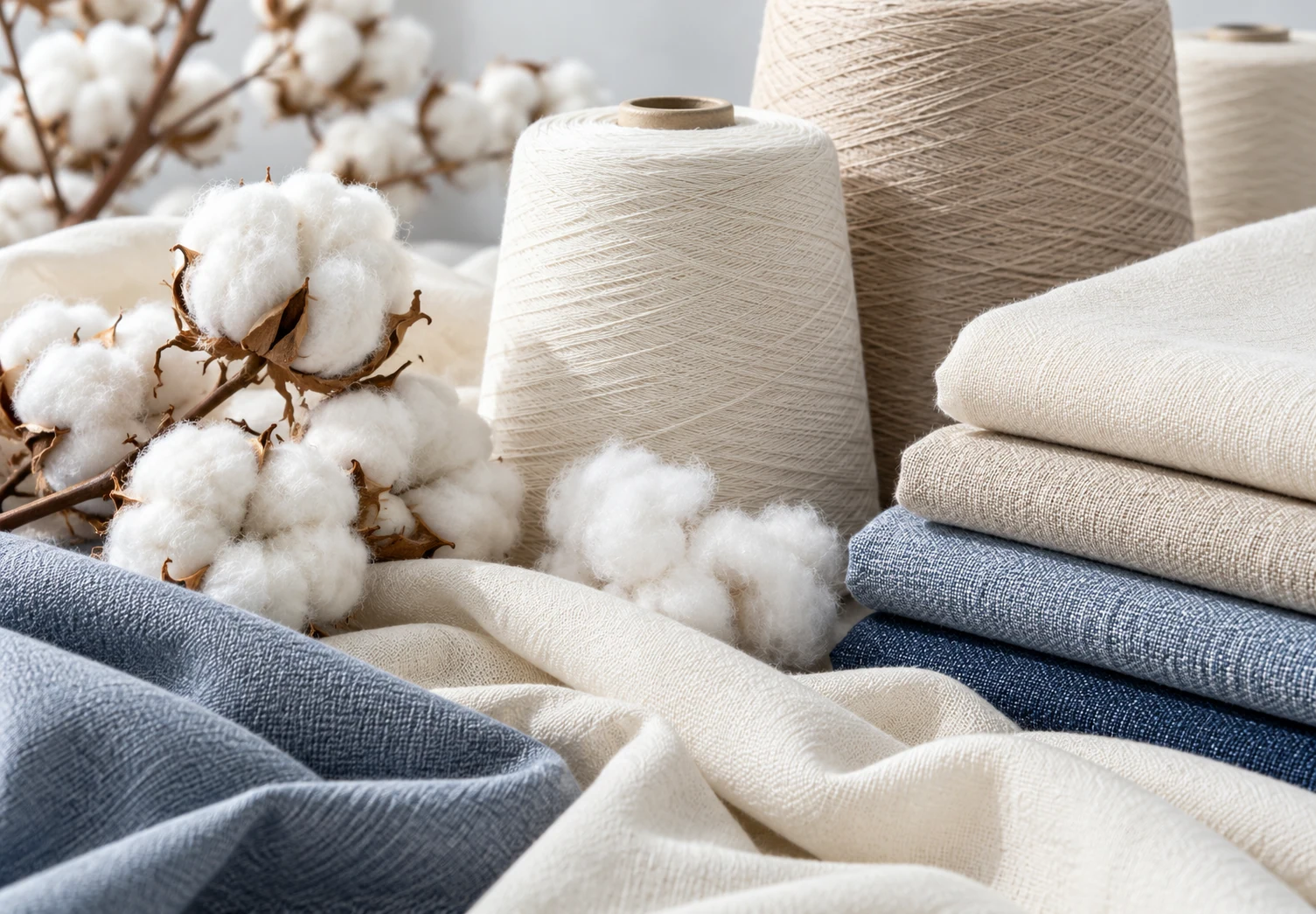
Materials influence a textile’s hand feel, comfort, maintenance and suitability for its intended environment. Cotton and other natural fibres can be considered alongside construction and performance needs.
The appropriate material is the one that meets the agreed requirements and is accurately identified—not one described by an unsupported environmental label.
04 / RESOURCE AWARENESS
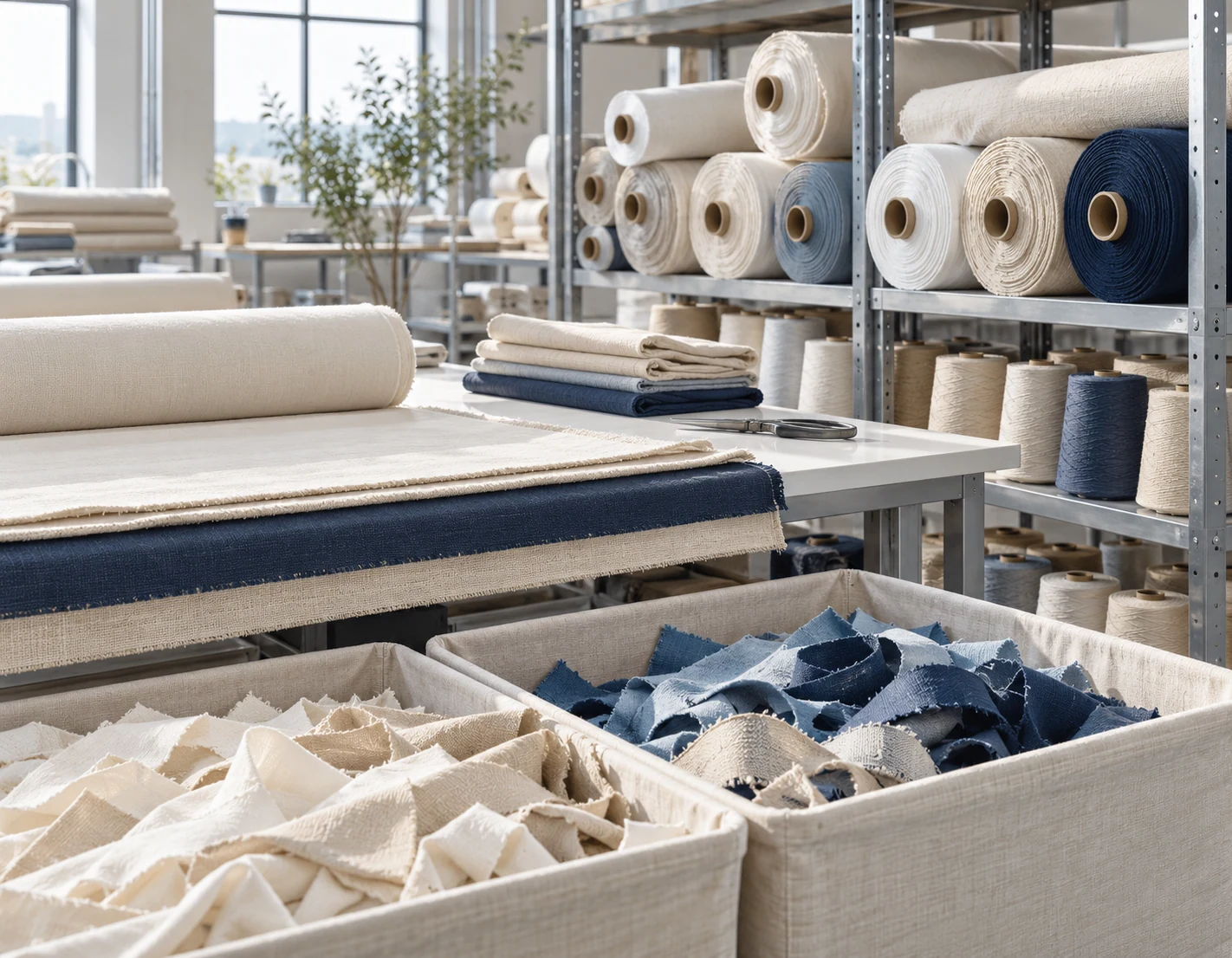
Clear product requirements and considered design decisions can help prevent avoidable material loss. Production planning, realistic specifications and the right quality checks are practical topics for every sourcing conversation.
We see waste awareness as an area for continuous attention. Any quantified reductions or operational achievements should be shared only when supported by verified factory records.
Learn About Manufacturing Priorities05 / FOR INTERNATIONAL BUYERS
Thoughtful sourcing starts with clearly defined requirements. These four steps help us have a more useful, transparent conversation about your product.
Confirm dimensions, construction, colour, finish and material expectations early.
Review samples and technical requirements before committing to a broader production brief.
Discuss pattern or cut planning, fabric utilization and options for avoiding unnecessary rejects where relevant.
Request relevant test results, composition documentation and certificates within their actual product scope.
BUYER QUESTIONS
Whether you are developing bedding, apparel or professional textiles, sourcing language should reflect the actual product and its supporting evidence.
Rather than making a blanket “eco-friendly” claim, we discuss specific choices—such as fibre composition, care requirements and relevant sourcing documents. Availability and evidence must be confirmed for the selected product.
Yes, you can include cotton or other natural-fibre preferences in your sourcing inquiry. Suitable compositions and availability depend on the product, design and agreed specifications.
No certification or recycled-content claim is implied by this page. If your project requires GOTS, GRS or another standard, share the precise scope and required documents so eligibility and availability can be checked before any claim is used.
Avoiding unnecessary material loss is a design and sourcing consideration. Clear specifications, sampling, fabric-use planning and quality discussions can help identify improvements; we do not publish an unverified waste-reduction percentage.
Yes. Please specify the materials, destination market, standard and documentation you need. The team can confirm what evidence applies to the requested product; providing a request does not guarantee that a certificate exists.
LET’S TALK MATERIALS
Tell us about the designs, fibres, quality standards and documentation that matter to your project. We’ll discuss what can be confirmed for the requested products.